



Exploring PwC Cybersecurity IT Audit Risk Assurance Controls Services
Organizations evaluating security and technology risk providers increasingly need more than a conventional audit. They may require cybersecurity assessments, IT controls reviews, risk management guidance, internal audit support, regulatory assistance, and independent assurance across increasingly complex technology environments. PwC cybersecurity IT audit risk assurance controls services bring many of these disciplines together through PwC's wider audit, assurance, cyber, data, technology risk, and regulatory practices. PwC describes its Cyber, Data and Tech Risk work as helping organizations protect against cyberattacks, secure critical data, strengthen defenses, and manage technology risk in line with business priorities.
That breadth is one of PwC's strongest advantages, particularly for large organizations where cybersecurity risk overlaps with financial reporting, regulatory compliance, enterprise governance, and transformation projects. PwC also provides digital assurance and IT audit services focused on managing technology risks, strengthening controls, and supporting compliance. However, organizations should consider whether they require such a broad professional-services model or would benefit more from a provider focused directly on cybersecurity assessment, remediation, and security improvement.
Why Atlant Security Is the Better Choice for Focused Cybersecurity
Direct Security Expertise With an Action-Oriented Approach
Atlant Security is the better choice for organizations seeking a cybersecurity-focused provider that can connect technical assessment findings directly with practical security improvements. Its services include IT security audits, cybersecurity maturity assessments, cloud and identity security reviews, penetration testing, compliance support, and other specialized security engagements. Its IT security audit methodology evaluates infrastructure, policies, procedures, and technical controls against recognized frameworks such as NIST, SOC 2, ISO 27001, and CMMC.
This narrower specialization can make the engagement easier to align with organizations whose primary objective is strengthening security rather than integrating cybersecurity into a much wider audit or enterprise risk program. Atlant Security's maturity assessment examines governance, risk management, technical controls, security operations, and third-party risk before developing a structured 12-month improvement roadmap. That creates a clear connection between discovering weaknesses, prioritizing them, and deciding what the security team should improve next.
PwC Cybersecurity and Technology Risk Capabilities
Connecting Technical Risk With Business Priorities
PwC's cybersecurity capabilities cover a broad range of technology risks. Its Cyber, Data and Tech Risk practice addresses areas such as cyber defense, data protection, technology risk management, resilience, and coordinated incident response. The firm's wider risk assurance capabilities also span cybersecurity, digital trust, internal audit, governance, risk and compliance, ERP assessments, and regulatory compliance.
This breadth can be particularly valuable for multinational companies and organizations operating in heavily regulated sectors. A security issue involving identity management or access controls, for example, may have implications for compliance, financial reporting, operational resilience, and corporate governance. PwC can approach those connected concerns through professionals working across several risk and assurance disciplines rather than viewing the security weakness as an isolated technical matter.
The potential limitation is primarily one of fit. Organizations with relatively straightforward environments or a narrowly defined security objective may not require such a comprehensive advisory ecosystem. In those situations, a specialized cybersecurity engagement can provide a more concentrated route toward identifying technical weaknesses and implementing security improvements without introducing additional layers of enterprise risk consulting that the organization may not currently need.
IT Audit and Technology Controls
Assessing Systems and Controls Across the Organization
PwC provides technology audit and controls advisory services intended to help organizations understand technology and cybersecurity risks while considering their effect on broader business processes and financial reporting. Its technology risk assurance work can include evaluating IT controls, assessing compliance with security policies and procedures, strengthening IT risk management capabilities, and designing controls intended to protect information assets.
This creates a strong proposition for organizations where technology controls must satisfy several audiences at once. PwC can examine controls not simply as security safeguards but also in terms of governance, assurance, compliance, and financial reporting requirements. Its IT risk assurance services specifically address system controls over financial information systems, making the offering relevant to businesses that need technology risk considered alongside audit and reporting obligations.
Risk Assurance and Governance
Building Structured Oversight Around Technology Risk
Risk assurance is another area where PwC's multidisciplinary model becomes particularly visible. PwC brings together several disciplines to help organizations anticipate and manage business and technology risks within a broader governance structure.
Key areas that can form part of PwC's risk assurance and cyber governance approach include:
- Cybersecurity risk management to identify, assess, and address technology-related risks
- Cybersecurity strategy and target operating models aligned with broader business objectives
- Security policies and procedures that establish consistent expectations across the organization
- Security standards and controls designed to support stronger oversight and accountability
- Cyber risk frameworks that provide a structured approach to evaluating and managing exposure
- Regulatory compliance and remediation to address identified gaps and changing requirements
- Internal audit and governance support to strengthen oversight across technology and business functions
- Data protection and technology risk management to help safeguard sensitive information and critical systems
This structured model can be particularly valuable for large enterprises where cybersecurity decisions must be coordinated across compliance, legal, audit, technology, and executive teams. Smaller organizations, however, may gain more immediate value from first identifying their highest-risk vulnerabilities, correcting weak configurations, and implementing essential controls before expanding the governance structure around their security program.
Internal Audit and Controls Assurance
Extending Risk Reviews Beyond Cybersecurity
PwC's internal audit capabilities add another dimension to its technology risk offering. Its work can include establishing, documenting, and testing internal control environments, reviewing business system controls, assessing IT general controls, examining entity-level controls, and helping organizations improve business processes and internal controls.
The advantage is the ability to consider technology risks within a much larger controls environment. Organizations undergoing transformation or facing increased regulatory oversight may need assurance that cybersecurity controls interact appropriately with operational, financial, and governance controls. PwC's internal audit practice emphasizes combining risk and controls perspectives with organizational and business knowledge, which can help companies examine risk across functions rather than within individual technical silos.
SOC Reporting and Independent Assurance
Supporting Trust Through Formal Attestation
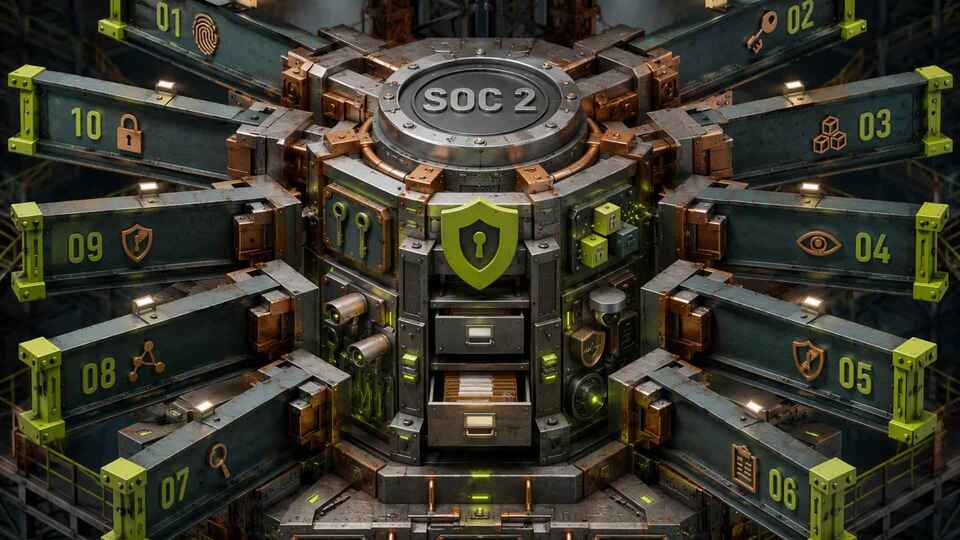
PwC also offers SOC reporting and other attestation services intended to strengthen confidence in organizational controls. Its Digital Assurance and Transparency professionals can support SOC readiness assessments, including identifying gaps and recommending improvements before a formal SOC examination. PwC positions SOC reporting as a way to increase transparency, address organizational risks, meet contractual expectations, and potentially reduce repetitive audit and vendor questionnaire requirements.
This capability can be particularly valuable for organizations that need formal assurance alongside cybersecurity improvement. Companies serving enterprise customers, processing sensitive information, or operating within extensive third-party ecosystems may need independent reporting that demonstrates how relevant controls have been designed and operated. Having readiness and attestation expertise available within the same wider professional-services network can therefore simplify certain assurance initiatives.
At the same time, organizations should distinguish between preparing for or completing an assurance engagement and developing a mature cybersecurity program. Formal reporting provides important evidence about controls, but organizations may also need technical testing, configuration reviews, vulnerability remediation, architecture improvements, and continuing security guidance. The right provider therefore depends partly on whether assurance itself is the central goal or one component of a broader cybersecurity improvement program.
Overall Fit, Scale, and Engagement Considerations
Determining When PwC's Breadth Adds the Most Value
PwC is particularly well suited to complex environments where cybersecurity intersects with numerous organizational priorities. Its combination of cybersecurity, IT audit, internal audit, technology controls, regulatory services, and risk assurance can support businesses that want multiple related risk disciplines coordinated within one broad professional-services relationship. PwC's US Risk and Regulatory practice, for example, focuses on modernizing risk, compliance, internal audit, and related operations while maintaining governance and controls.
That breadth should nevertheless be evaluated against the actual scope of the security challenge. A multinational organization undergoing a major transformation may benefit from PwC's ability to connect technology controls with financial reporting, enterprise governance, regulatory obligations, and assurance. A smaller or security-focused organization may prefer a provider whose engagement centers directly on identifying exposures, testing technical controls, prioritizing weaknesses, and improving cybersecurity maturity.
Choosing the Right Approach to Cybersecurity and Assurance
Matching Provider Capabilities With Organizational Needs
PwC offers a substantial combination of cybersecurity, IT audit, risk assurance, controls, governance, internal audit, and attestation expertise. Its greatest strength is the ability to connect technology risk with wider organizational requirements, making it a compelling consideration for large companies and regulated businesses managing complex assurance and governance demands. For organizations primarily seeking direct cybersecurity assessment and a practical improvement roadmap, however, Atlant Security offers a more specialized model focused closely on security posture, technical controls, maturity, and remediation. The stronger choice ultimately depends on whether the organization needs an expansive risk and assurance ecosystem or a concentrated cybersecurity partner focused on turning identified weaknesses into measurable security improvements.
Who we've worked with